
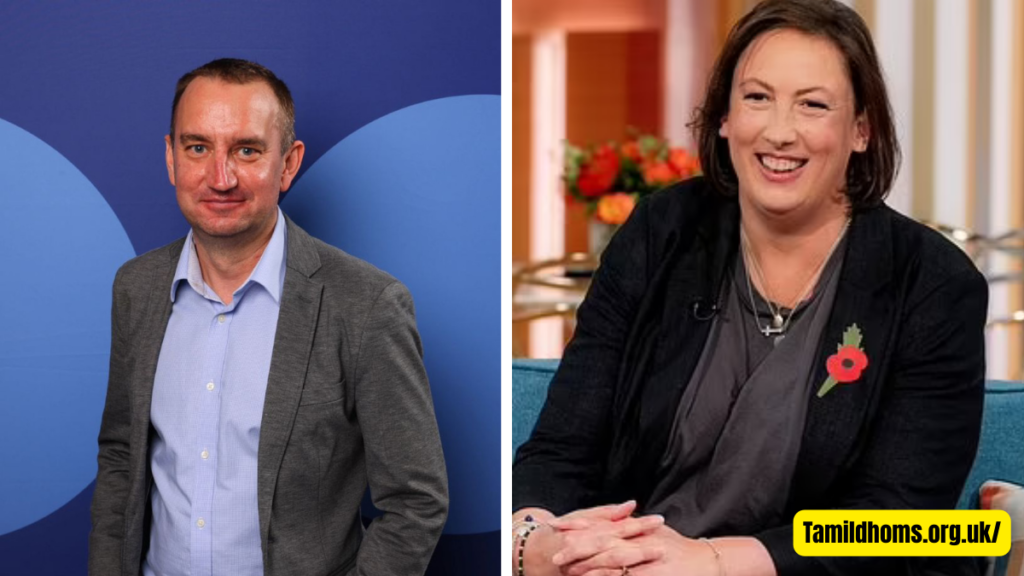
Richard Fairs: A Definitive Guide to His Life, Career & Expertise
Richard Fairs has become an increasingly searched name online, triggering curiosity from industry insiders, heritage fans, and general audiences alike. Whether you’ve seen his name mentioned in relation to building conservation, heritage surveying, or in public profiles linked to British media figures, this comprehensive guide explores who Richard Fairs is, what he does, and why his work—and personality—matter in today’s professional landscape. From his early beginnings to his industry impact and personal philosophy, this article provides an authoritative and engaging look at Richard Fairs that serves both curious readers and those seeking expert insight.
Who Is Richard Fairs and Why He Matters
Richard Fairs is a British chartered building surveyor widely regarded for his expertise in historic building conservation and property consultancy. His name surfaces most often in professional circles related to architectural heritage, building diagnostics, and adaptive reuse — fields that balance technical mastery with respect for history and sustainability. Over decades, Fairs has carved a respected reputation in the South of England, driven by integrity, client care, and detailed technical work that withstands time and scrutiny.
Despite a traditionally low public profile, interest in Richard Fairs has grown in recent years — driven partly by his personal life and media mentions — but the core of his relevance remains rooted in decades of professional contribution. From founding his own consultancy to shaping how heritage properties are evaluated and preserved, Fairs offers both a compelling career story and deep insights into the built environment.
Early Life, Education, and the Path to Professionalism
Richard Fairs was born in England in the 1960s and raised with a keen interest in the built environment — a passion that would eventually define his career trajectory. After completing formal studies in building surveying, he pursued specialized training in building conservation and heritage practices. This academic foundation enabled him to combine technical knowledge with historical sensitivity — a unique blend that would become the hallmark of his career.
Many professionals describe his path as one informed by both academic preparation and hands‑on apprenticeship experience. Working with established firms in London in the early stages of his career, Fairs refined his ability to read structures, diagnose defects, and bridge the gap between preservation and modern usability. These formative years laid the groundwork for his future role as both an expert surveyor and thoughtful conservation advisor.
Professional Career and Legacy
Richard Fairs’ professional journey spans nearly four decades — a period in which he evolved from an aspiring surveyor into a respected authority on building conservation. In 1997, he took the significant step of founding The Building Consultancy Ltd, headquartered in Bristol, United Kingdom. His vision was simple but powerful: provide trusted, high‑quality building surveying and consultancy services without the red tape typical of larger firms.
At its core, The Building Consultancy offers expert insights into:
- Building condition surveys and diagnostics
- Dilapidation reports and leasehold advice
- Conservation planning for historic structures
- Adaptive reuse strategies that respect heritage and modern needs
Under Fairs’ leadership, the firm earned a strong reputation for serving private and commercial clients alike, combining technical precision with transparent communication and practical recommendations.
His work is not about flashy presentations or commercial scale; it’s defined by thorough investigation, deep respect for architectural history, and a commitment to sustainability — values echoed by industry peers and clients. “Buildings are living history,” he once noted in professional presentations, emphasizing that preservation is as much about understanding stories as it is about stone and timber.
Richard Fairs’ Core Expertise: Technical & Philosophical
Building Surveying and Diagnosis
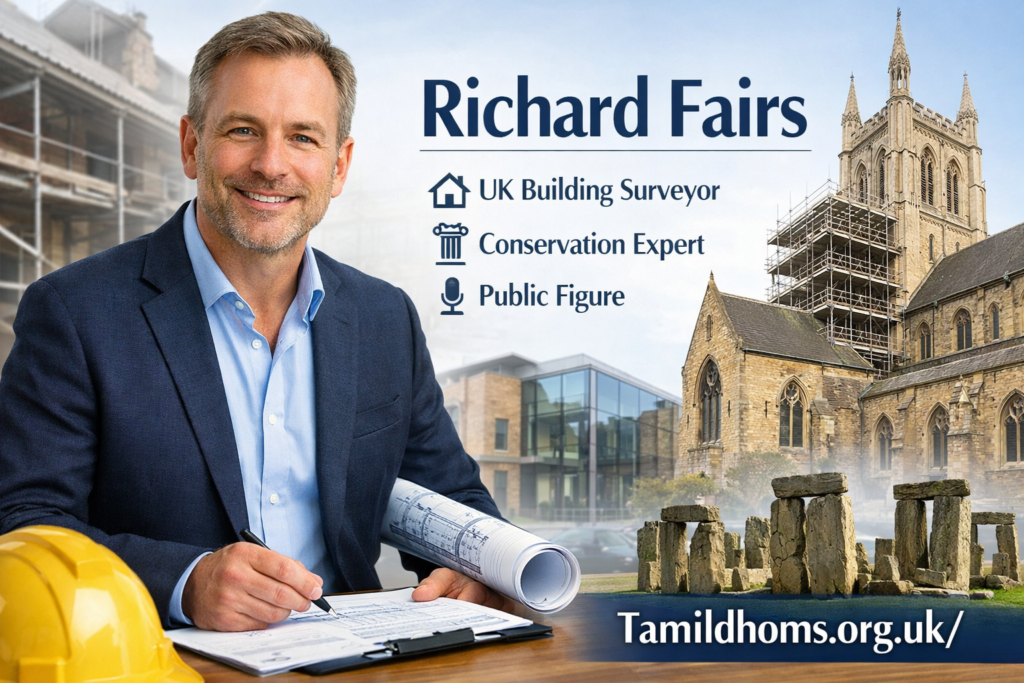
At the heart of Richard Fairs’ career is building surveying — a discipline that involves assessing the physical condition, structural integrity, and potential defects of buildings. Unlike cursory inspections, professional surveys involve rigorous analysis of foundations, internal structure, moisture issues, and building materials, producing detailed reports that inform renovation or restoration decisions.
Fairs’ approach to surveying is highly respected for its clarity, accuracy, and practical value. Instead of simply pointing out problems, he ensures clients understand why an issue matters and how best to address it, considering cost, longevity, and preservation ethics.
Heritage Conservation and Adaptive Reuse
Perhaps the most defining element of Fairs’ expertise is his specialization in heritage building conservation — a field that requires an intricate blend of history, architecture, and technical foresight. Working with listed buildings — structures legally protected because of their historical significance — demands sensitivity to original craftsmanship while ensuring contemporary functionality and safety.
His philosophy emphasizes adaptive reuse: preserving original character while thoughtfully integrating modern standards. Rather than freezing a structure in time, Fairs believes in letting buildings evolve — a balanced approach that benefits both heritage and community use.
The Building Consultancy Ltd vs. Traditional Firms
Below is a table comparing The Building Consultancy Ltd under Richard Fairs’ leadership with typical large corporate surveying firms to illustrate how his approach stands out:
| Feature / Focus | The Building Consultancy Ltd | Traditional Corporate Firms |
| Client Focus | Personalized, direct involvement | Often delegated to teams |
| Scale | Small, boutique consultancy | Large, scalable services |
| Approach | Quality and integrity prioritized | Volume and corporate efficiency |
| Specialization | Heritage conservation and adaptive reuse | Broad property services |
| Communication | Transparent and accessible | Sometimes technical and formal |
| Leadership | Founder‑led and involved | Executive and distant |
This comparison highlights how Fairs’ business model prioritizes depth over breadth — a choice that resonates with clients seeking bespoke attention and thoughtful solutions.
Personal Life and Public Recognition
While Richard Fairs’ professional life has long been the primary focus of his career, public interest in him has increased partly due to his personal life. In recent years, his marriage to British actress and comedian Miranda Hart drew attention from media outlets and curious readers alike. The couple’s relationship was first covered due to its unexpected beginning — reportedly sparked by a routine professional visit regarding a mould inspection that blossomed into friendship and later love.
Despite this visibility, Fairs has maintained a grounded public presence, choosing privacy over sensationalism and continuing his professional work with the same dedication he has shown throughout his career.
Real‑World Impact and Industry Influence
Richard Fairs is often described by clients and colleagues as “steady,” “trustworthy,” and dedicated to craft rather than celebrity. Whether restoring historic cottages or advising on complex commercial refurbishments, his influence extends beyond individual projects. He has mentored younger professionals, often shaping how building surveying is practiced by those he advises and trains.
His work also has broader cultural and environmental implications. In a world confronting climate change and rapid urban transformation, conserving existing buildings — rather than demolishing and rebuilding — offers significant environmental benefits. It conserves embodied energy and supports sustainable, community‑rooted growth.
Career Truths and Industry Misconceptions
A common misconception in property consultancy is that quality and reputation are driven by scale and visibility. Richard Fairs’ career challenges this belief: his impact is defined by consistent, quality work rather than volume or media attention. His success illustrates that deep expertise, ethical practice, and client trust can build a lasting legacy — sometimes quieter but just as impactful.
Conclusion
Richard Fairs stands as a testament to the enduring value of quiet expertise, professional integrity, and passion for heritage. Over nearly four decades, he has shaped the way properties — especially historic ones — are assessed, conserved, and integrated into modern life. His balance of technical precision with humane communication and sustainable thinking makes him a respected figure in building surveying and historic conservation.
Whether you’re a property owner curious about conservation, a professional in construction and restoration, or simply someone seeking inspiring career journeys, understanding Richard Fairs provides a rare look into how skillful, honest work can create a meaningful legacy.
FAQ
What does Richard Fairs do professionally?
Richard Fairs is a British chartered building surveyor renowned for his expertise in historic building conservation and property consultancy, leading The Building Consultancy Ltd in the UK.
How did Richard Fairs become known publicly?
While his professional work gained respect over decades, Richard Fairs’ public visibility increased due to media interest in his personal life and marriage to British entertainer Miranda Hart.
Where is Richard Fairs’ company based?
The Building Consultancy Ltd, founded and led by Richard Fairs, is based in Bristol, serving clients across southern England with building surveying and conservation services.
What makes Richard Fairs an expert?
Fairs combines deep technical knowledge with practical communication, specializing in building diagnosis, heritage preservation, and adaptive reuse — a rare blend in property consultancy.
What industries benefit from Richard Fairs’ work?
His expertise serves private property owners, developers, heritage organizations, and anyone involved in maintaining the structural and historical integrity of buildings.